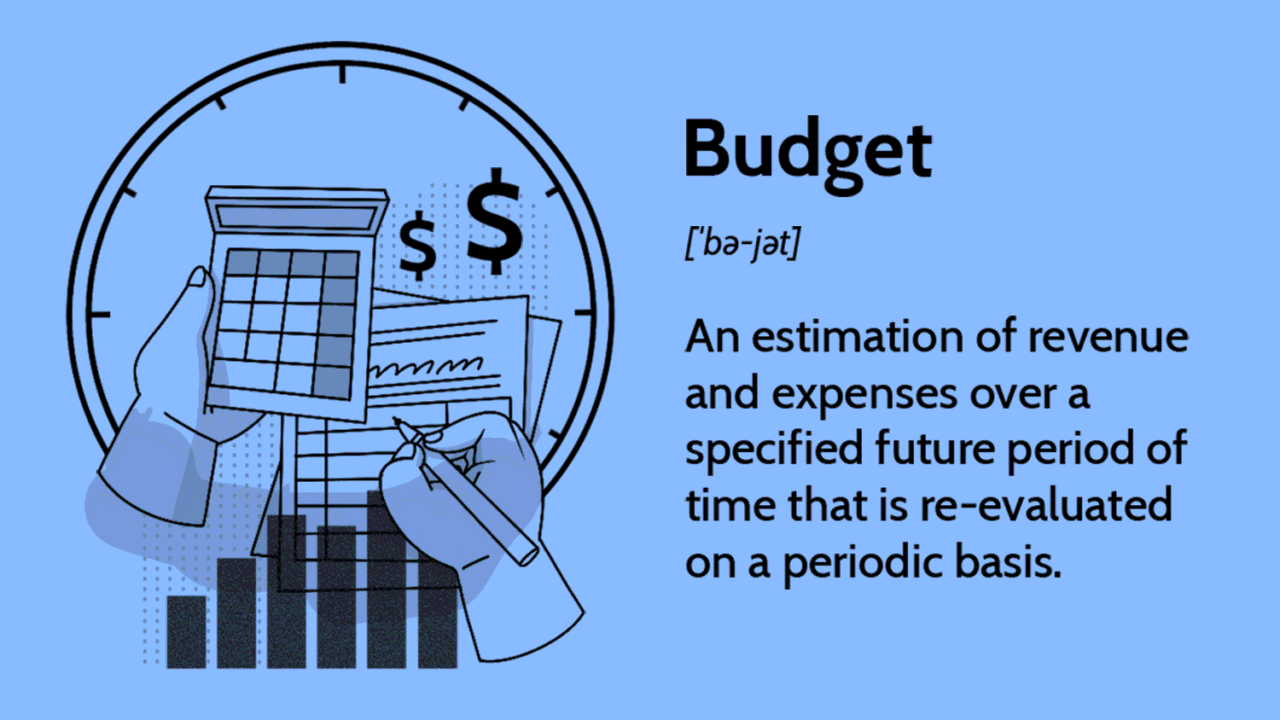
The first time someone explained zero based budgeting to me, I honestly thought it meant having zero money left over, which sounded like a terrible idea. Turns out, it means something quite different — and once it clicked, it genuinely changed how I think about every rupee that comes in.
What Zero-Based Budgeting Actually Means
Zero-based budgeting is a method where your income minus your expenses, savings, and investments should equal exactly zero — meaning every rupee is assigned a specific purpose before the month begins. It doesn’t mean spending everything; it means even your savings and investment amounts are deliberately assigned a “job” rather than being an afterthought.
Income − (Expenses + Savings + Investments) = 0. That’s the entire formula.
How It Differs From Other Budgeting Methods
The 50/30/20 rule assigns broad percentage buckets. Zero-based budgeting goes further, requiring you to assign every single rupee a specific line item — not just “30% for wants” but exactly ₹3,200 for dining out, ₹1,500 for OTT subscriptions, and so on.
It’s more detailed and time-intensive to set up initially, but many people find the specificity actually makes it easier to stick to, since there’s no ambiguity about what’s “allowed.”
[link to related guide on the 50/30/20 budgeting rule here]
Step 1: List Your Total Monthly Income
Start with your net take-home income — after tax, after any automatic deductions. If your income varies month to month, use your average from the last 3-6 months as a conservative baseline.
Step 2: List Every Expense Category, However Small
This is where zero-based budgeting demands more detail than other methods. List fixed expenses (rent, EMIs, insurance), variable necessities (groceries, utilities, fuel), and discretionary spending (entertainment, dining, shopping) as individual line items, not broad categories.
Don’t forget irregular annual expenses — divide them by 12 and include a monthly portion for things like insurance renewals or annual subscriptions.
Step 3: Assign Savings and Investments as Line Items Too
This is the part people often skip in other budgeting methods. Your SIP amount, emergency fund contribution, and any debt prepayment beyond the minimum should each get their own specific line, treated with the same seriousness as rent or groceries — not as an optional leftover.
Step 4: Subtract Everything From Income
Add up every category — expenses, savings, investments — and subtract from your total income. If the result isn’t zero, you have two options: assign the leftover amount to another category (extra debt repayment, additional investment), or trim expense categories if you’ve gone into negative territory.
[link to related guide on building an emergency fund here]
A Practical Example
Take a monthly income of ₹60,000. A zero-based budget might look like: ₹18,000 rent, ₹8,000 groceries and utilities, ₹5,000 EMI, ₹3,000 insurance (monthly portion), ₹6,000 dining and entertainment, ₹4,000 transport, ₹12,000 SIP investments, ₹4,000 emergency fund contribution. That totals exactly ₹60,000 — every rupee assigned, nothing left unaccounted for.
Handling Irregular Income With This Method
Freelancers and business owners can still use zero-based budgeting, though it requires an extra step. Base your budget on a conservative baseline income, and create a specific “buffer” category for months when actual income exceeds this baseline — deciding in advance whether extra income goes toward savings, debt payoff, or a specific goal, rather than random spending.
Common Challenges With This Method
- It takes longer to set up initially compared to simpler percentage-based budgets
- Requires monthly recalculation if income or expenses shift significantly
- Can feel overly rigid for people who prefer more spontaneous spending flexibility
- Small unplanned expenses can throw off the exact-zero balance if you don’t build in a buffer category
I’d suggest including a small “miscellaneous” line of around 3-5% specifically to absorb these small surprises without needing to rebuild the entire budget.
Tools That Support Zero-Based Budgeting
Apps like YNAB (You Need A Budget) are built specifically around this philosophy, assigning every rupee a job as it’s earned. In India, a well-structured Google Sheet or apps like Walnut with custom categories can achieve a similar effect, even without a dedicated zero-based budgeting app.
FAQs
Is zero-based budgeting harder to maintain than the 50/30/20 rule? Initially yes, since it requires more granular tracking, but many people find it easier to stick with long-term because there’s no ambiguity about spending limits.
Does zero-based budgeting mean I shouldn’t have any savings buffer? No, savings and investments are explicitly included as line items — the “zero” refers to accounting for every rupee’s purpose, not spending everything.
Can zero-based budgeting work well with a variable freelance income? Yes, by budgeting against a conservative baseline income and creating specific rules for how extra income above that baseline gets allocated.
How often should I revisit a zero-based budget? Monthly, since expenses and income can shift, and rigid year-old assumptions rarely hold up well against changing real-life circumstances.
What happens if my actual spending doesn’t match my zero-based budget exactly? That’s normal initially — review the gaps each month and adjust category amounts until your budget more closely reflects reality over time.
Conclusion
Zero-based budgeting takes more upfront effort than simpler budgeting methods, but the precision it offers — every rupee assigned a clear purpose — genuinely helps many people feel more in control of their finances rather than wondering where money went each month.
If you’re willing to spend an hour this weekend building out your first detailed budget sheet, it’s worth trying this method for at least two full months before deciding whether it fits your style.