Digital payments have become an important part of everyday shopping. Customers increasingly expect businesses to offer convenient ways to pay, whether they are purchasing groceries, dining at a restaurant or visiting a retail store. For small businesses, accepting digital payments can make everyday transactions more convenient and provide customers with additional payment choices.
A payment machine is one of the commonly used tools that helps businesses accept electronic payments. Understanding how these devices work can help business owners decide which option suits their operations.
What Is a Payment Machine?
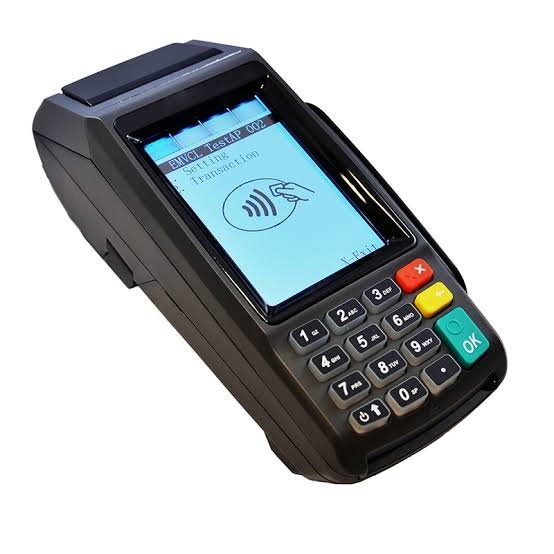
A payment machine is an electronic device that allows merchants to accept payments through supported payment methods, including debit and credit cards. Depending on the device and provider, customers may be able to insert their cards, swipe them or make contactless payments.
A POS machine (Point of Sale machine) is commonly used at retail counters, restaurants, supermarkets and other businesses. It communicates with the payment processing system to request transaction authorisation.
Once a customer initiates a payment, the transaction information is securely transmitted for verification. If approved, the machine displays a confirmation, and the transaction can be completed.
Why Small Businesses Use POS Machines
Small businesses often manage several responsibilities simultaneously, including customer service, inventory, billing and financial records. Having a suitable payment setup can make one part of these daily operations easier.
A POS machine for small business can offer several practical advantages:
1. More Payment Choices
Customers may prefer using cards instead of carrying cash. Accepting electronic payments gives them another way to complete purchases.
2. Convenient Transactions
Contactless payments can make checkout more straightforward. Customers with supported cards or digital wallets can complete eligible transactions by tapping their payment method on a compatible terminal.
3. Better Transaction Records
Electronic transaction records can help business owners review sales activity, verify payments and organise their daily accounts.
4. Improved Checkout Management
A suitable POS setup can help businesses manage customer payments more efficiently, particularly during busy hours.
Different Types of Payment Machines
Businesses can explore different devices depending on their location, industry and transaction requirements.
- Traditional POS terminals: These are generally used at fixed checkout counters in retail stores and restaurants.
- Portable POS machines: These allow staff to accept payments from different locations within a business, such as restaurant tables.
- Mobile POS devices: These offer payment acceptance through compatible mobile devices and accessories.
- Smart POS terminals: Depending on the model, these may support additional applications and business management features.
The right option depends on the business’s working environment, connectivity requirements and preferred payment methods.
What Should Businesses Consider Before Choosing a Device?
Before selecting a POS machine for small business, owners should compare transaction charges, connectivity options, supported payment methods and device reliability.
Security is another important consideration. Businesses should choose properly supported terminals, follow recommended security practices and ensure that sensitive customer payment information is handled appropriately.
It is also worth checking settlement timelines, maintenance support and whether the device can accommodate the business’s expected transaction volume.
Making Digital Payments Part of Everyday Business
Choosing a suitable payment machine does not need to be complicated. Small businesses can begin by understanding their customer preferences, daily transaction requirements and available payment options.
A well-suited payment machine can make checkout more convenient while helping merchants maintain clearer transaction records. With the right setup, digital payments can become a practical part of everyday business operations rather than an additional administrative challenge.